
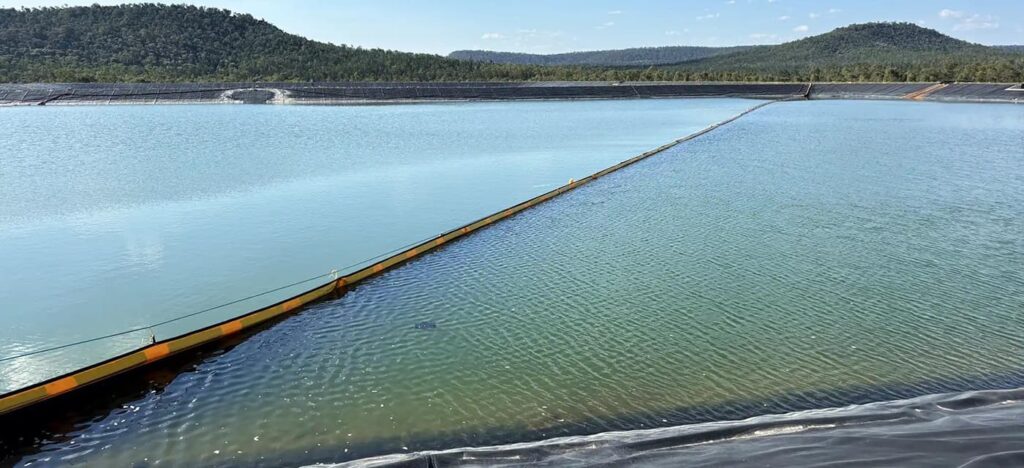
Custom baffle and silt curtain systems designed to manage water movement, improve sediment settlement and control suspended solids in mining and industrial process ponds.
UAT configures each system around the pond layout, water depth, flow conditions, liner and operational requirements. Solutions can be integrated with dredging, aeration and mixing systems to support more effective whole-of-pond management.
Uncontrolled water movement can reduce the effective treatment area of a process pond. Water may take the shortest path between inlet and outlet, creating short-circuiting, uneven retention time and limited opportunity for suspended solids to settle.
Sediment can also be disturbed during dredging, maintenance or changes in operating conditions. Without an appropriate control system, suspended material may migrate into areas where it affects water quality, downstream equipment or overall pond performance.
UAT assesses how water and sediment behave within the asset before recommending a baffle or silt curtain arrangement. The objective is to address the site’s actual flow and sediment-management problem rather than applying a standard layout.
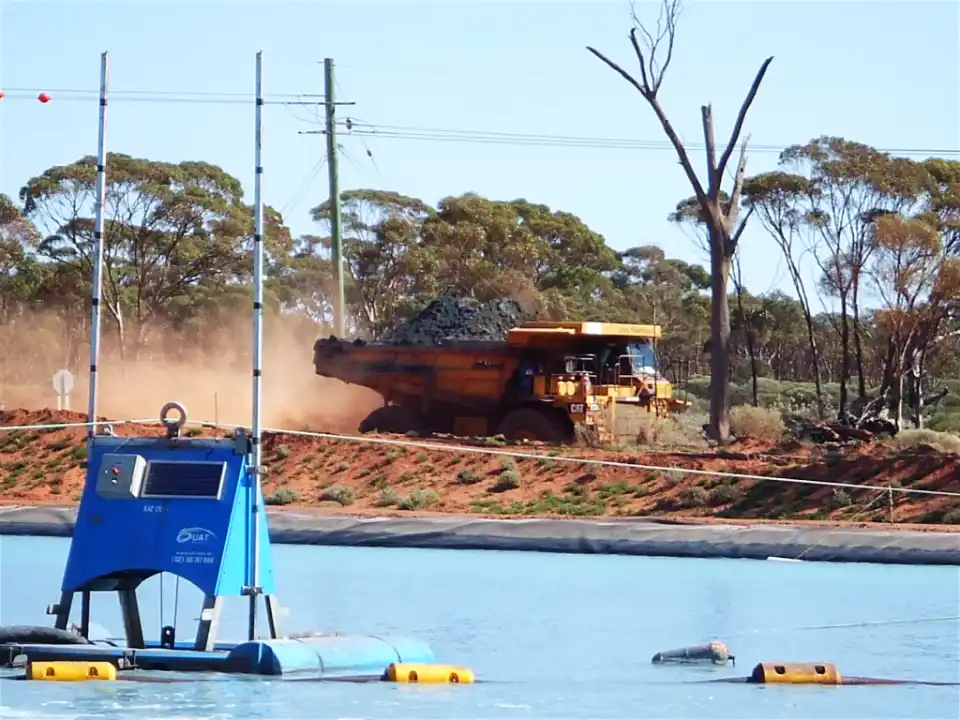
Although the terms are sometimes used interchangeably, baffles and silt curtains can serve different functions within a water-management system.
Baffle systems are configured to redirect water through a defined path. By reducing short-circuiting and increasing the distance water travels through the pond, a baffle arrangement can improve retention time and create more consistent conditions for settlement or treatment.
Silt curtains, also called turbidity curtains, create a suspended barrier within the water column. They can help contain suspended sediment within a defined area during dredging, maintenance or other activities that disturb settled material.
UAT can design, supply and install scalable systems for lined and unlined process ponds, subject to site conditions and confirmed project scope. Configurations are developed around factors such as:
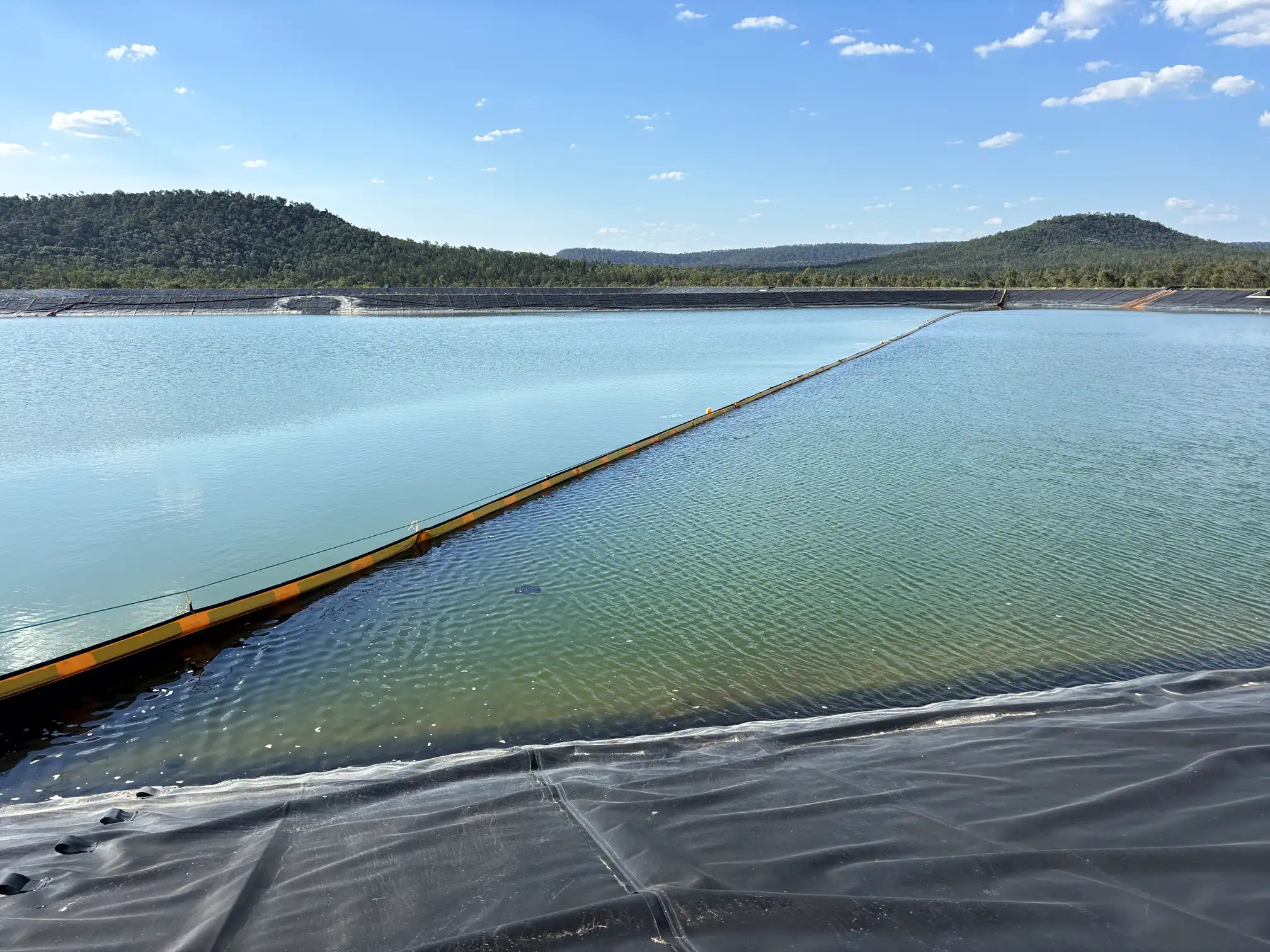
The right flow and sediment-control arrangement can improve how effectively the available pond volume is used. By guiding water movement, reducing short-circuiting and managing the spread of suspended material, baffles and silt curtains can support more predictable pond performance.
Depending on the application and system design, potential objectives may include:
Performance depends on site conditions, hydraulic behaviour and correct system design. UAT reviews these factors before proposing a configuration.
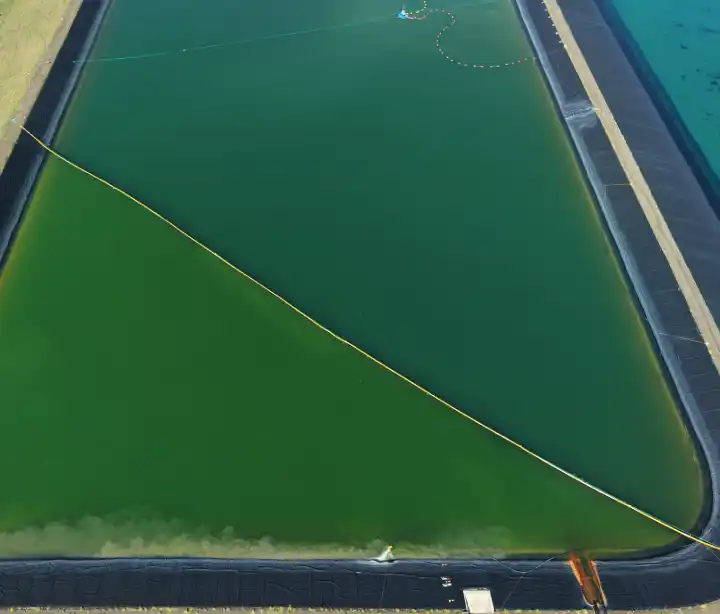
Plastic-lined ponds require careful consideration because anchoring, loading, movement and maintenance activities must not compromise the liner or associated infrastructure.
UAT develops baffle and silt curtain systems around the existing asset. The proposed layout considers liner type and condition, pond geometry, available attachment points, operating water levels and access requirements. Where a system is installed within an active pond, its interaction with other equipment and operating processes is also assessed.
Systems may be suitable for applications including:
All application and performance claims should be confirmed against the final site assessment and engineered design.

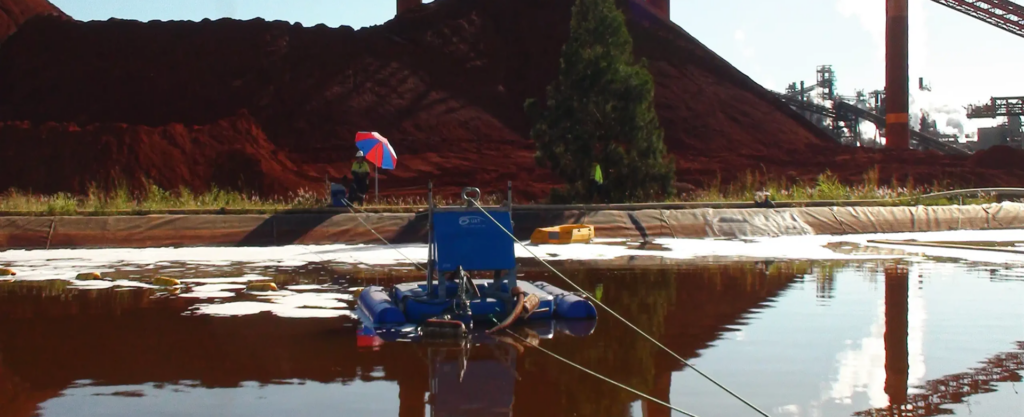
Sediment, sludge and slurry removal systems configured for plastic-lined process ponds and dams.
Systems designed to improve circulation, reduce stratification and support stable water-quality conditions.
Tell UAT about your pond layout, operating conditions and the flow or sediment problem you need to solve. We can review the available site information and help determine whether a baffle, silt curtain or integrated pond-management solution is appropriate.
A baffle is generally used to redirect water through a more controlled path, which can increase retention time and reduce short-circuiting within a pond. A silt curtain is a suspended barrier used to contain or limit the movement of sediment disturbed within the water column. The most appropriate system depends on the site’s hydraulic and sediment-management objectives.
A silt curtain extends from a floating upper section into the water column, creating a defined work area around disturbed sediment. Its purpose is to limit the movement of suspended material while allowing it time to settle. Water depth, flow, wind, anchoring and the dredging method all influence the required design.
They can be configured for some plastic-lined ponds, but the installation and anchoring method must be assessed carefully. UAT considers the liner, pond geometry, attachment points, water level and operating conditions before recommending a system.
The required depth depends on the water column, sediment behaviour, flow conditions and project objective. A curtain should not be selected solely by matching its skirt to the maximum pond depth. UAT assesses the site conditions and required containment zone before defining the configuration.
A correctly configured baffle system can redirect flow, reduce short-circuiting and increase the effective travel path through a pond. These changes may create more favourable conditions for suspended material to settle. Actual performance depends on hydraulic conditions, material behaviour and the system design.